Mobile mechanic coaching
Presentation for Mobile Mechanics: Look Professional, Earn Trust
Owner-reviewed guidance designed to be read, applied, and returned to in the field.
By themobilemechanicservice
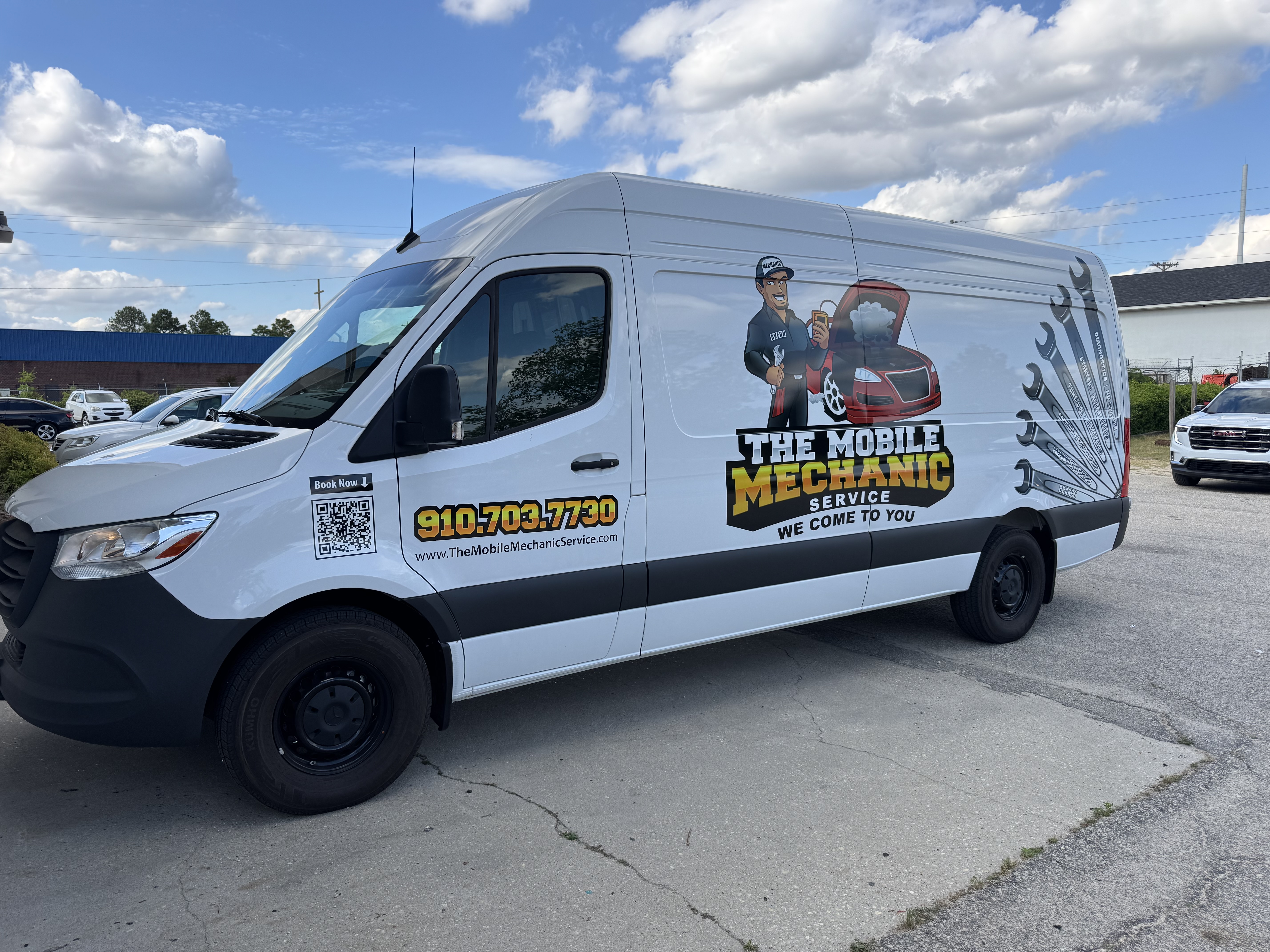
How you look on arrival shapes what customers believe about your work. Practical, no-nonsense steps mobile mechanics can use today to convert presentation into pricing power.
Why presentation matters more than you think
Customers don’t just buy your skill — they buy confidence. The moment you pull into a driveway they begin forming judgments about your reliability, organization, and value. A clean, organized service vehicle and a mechanic who looks prepared tell a story: this is someone who treats their work like a business and is worth the rate.
That matters for more than ego. Perception = pricing power. When you present professionally, customers are less likely to haggle, more likely to rebook, and more likely to refer you — not because they know the details of your tools, but because they subconsciously trust the whole operation.
Dress for the business you want
Treat your personal presentation as part of your service package. The goal isn't to fake capability; it's to show up like an owner who takes their brand seriously. Practical steps that produce immediate returns:
- Invest in a small set of uniform shirts — polos and a long-sleeve option — with your company name or logo. You don't need a closet of gear; two to four clean shirts are enough for a day on the road.
- Keep one clean shirt for customer-facing moments (arrival, explaining work, handing over the invoice). Put soiled shirts into a separate bag in the van.
- Choose durable fabrics that resist oil and hide grime but still present well. Darker colors or subtly branded shirts minimize the look of light stains while staying sharp.
- Add simple name identification: an embroidered name, a patch, or a name tag. It humanizes the interaction and reinforces trust.
Small investments in uniforms change how customers categorize you: not just a lone tech, but a business owner who values consistency. That perception reduces friction around rates and booking.
Your service vehicle: a rolling billboard
Your van or truck is often your first impression. People see the vehicle before they meet you. What it looks like sets expectations.
Practical, field-tested items to focus on:
- Exterior cleanliness: Wash the truck regularly. A clean exterior reads as pride in workmanship.
- Visible identity: Simple branding (magnetic signs, vinyl lettering, or a logo on the door) helps you look like an established operation. Keep the design legible and uncluttered.
- Repair what you can: Rust, missing trim, or peeling decals send messages you don’t want to send. If a full wrap or paint job isn't in the budget, a targeted touch-up and a good wash go a long way — in one example, a modest roll-on paint refresh made an older step van look intentionally cared for.
- Interior organization: Neat tool storage, labeled bins, and clean floors matter. A customer who glimpses a tidy work area imagines the work itself will be orderly.
Think about arrival posture: park straight, face the house if possible, and avoid blocking views. When customers see a professional setup and a steady arrival, they start the job with confidence instead of skepticism.
Small systems that deliver big impressions
You don’t need expensive upgrades to improve presentation. Focus on repeatable systems:
- Daily van checklist: quick wipe of visible surfaces, sweep floor, check for oil or grease spots on upholstery, restock basic consumables.
- Tool routine: return tools to fixed places after each job, close and latch drawers, cover sharp or dirty items so they’re not exposed when a customer looks in.
- Clean-change practice: keep a small kit for customer-facing moments — a clean shirt, disposable shoe covers, and a microfiber cloth to wipe a door sill or steering wheel if needed.
- Photo habit: take a quick "before" picture of the vehicle's work area each morning. It motivates upkeep and documents standards over time.
These habits are cheap to implement and create consistent impressions that stack over hundreds of jobs.
Arrival script: how presentation supports the first 60 seconds
Your words matter, but your look sets the tone. A short arrival routine helps:
- Park neatly and turn off the engine.
- Step out in your clean shirt; take a breath and smile.
- Offer a brief introduction and confirm the client's concerns.
When your appearance, vehicle, and opening steps match, the customer settles into a mindset of trust. That moment shapes the rest of the job.
Quick checklist
- Wash exterior at least weekly or after visibly dirty jobs.
- Keep another branded shirts: one clean for customer-facing tasks.
- Maintain labeled bins and fixed tool locations inside the van.
- Carry a small clean-up kit (microfiber, trash bags, disposable shoe covers).
- Use simple exterior identification (legible lettering or magnetic signs).
- Do a 2-minute van tidy at the end of every shift.
Final notes and next steps
Presentation isn't about pretending to be bigger than you are — it's about taking care of what you have and showing customers you take their vehicles seriously. Small, consistent choices (clean shirts, an organized van, and tidy arrival habits) compound into trust and pricing power.
If you want implementation templates, branding examples, and a step-by-step van organization plan, explore our membership at /membership for deeper implementation and downloadable checklists tailored to mobile mechanics.
Keep it practical: show up like the business you want to grow, and your work will follow.
Build the system behind the lesson