Owner-reviewed guidance designed to be read, applied, and returned to in the field.
By themobilemechanicservice
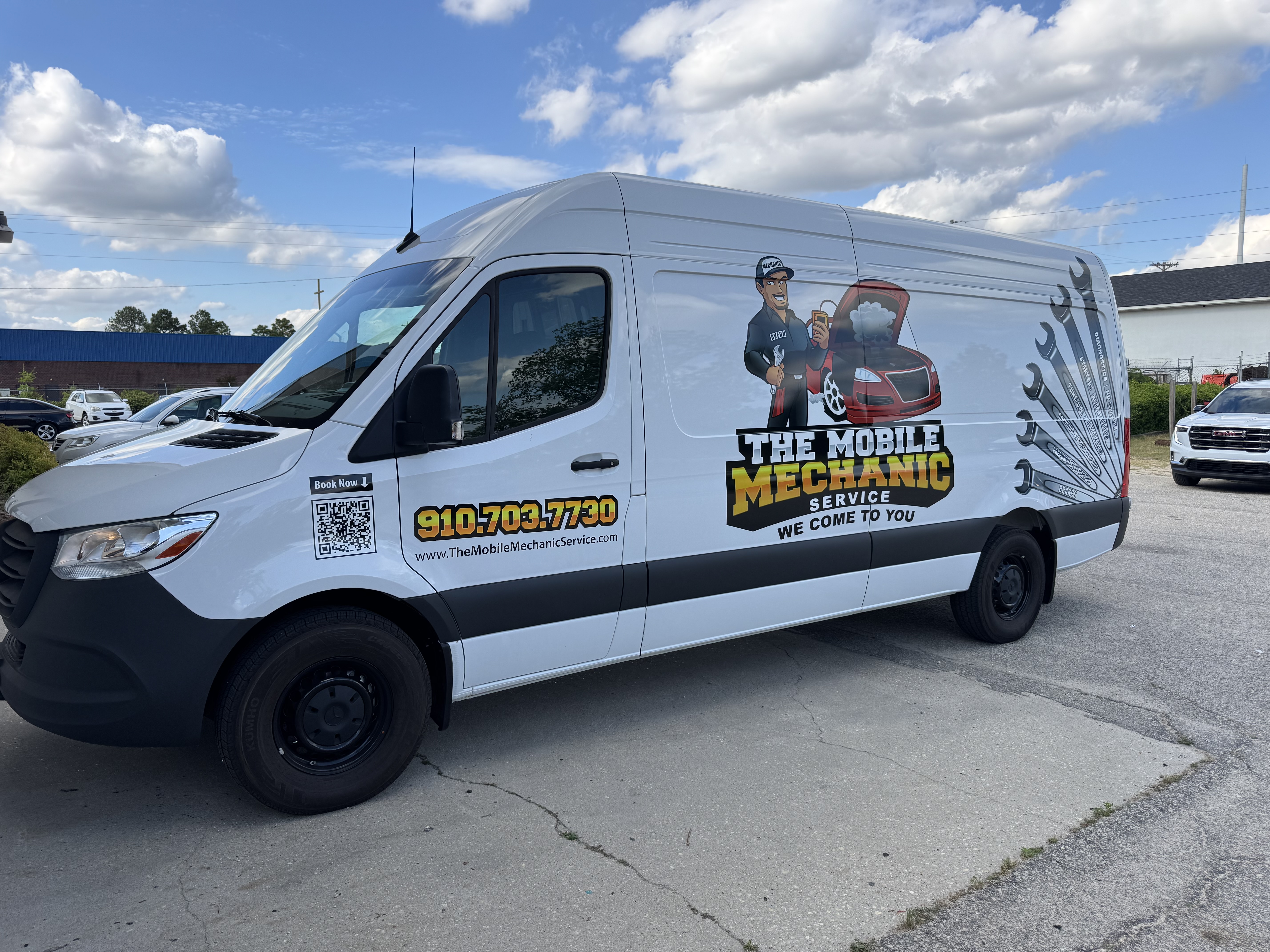
Small, low-cost changes to your uniform, vehicle, and workspace deliver outsized returns: customers trust a clean, branded professional and are less likely to haggle. Practical steps you can use on every call.
Why presentation controls pricing and trust
Customers rarely buy only your technical skill. They buy confidence. First impressions happen before you lift a wrench: a clean, organized van and a neat uniform signal trust, reliability, and professionalism. When a customer senses that confidence, they’re less likely to haggle, more likely to accept your estimate, and more comfortable rebooking or referring you.
This isn't about pretending to be something you're not. It's about matching the image of the business you want to run. Presentation gives you pricing power — not because the work changes, but because customers’ perceptions do.
Dress for the business you want
How you look on the job communicates immediately. You don’t need expensive gear or a full team to read as professional. A few practical steps:
- Invest in a small set of branded shirts (polo and long-sleeve). A consistent logo and color make you look like an established business, even if it’s just you and a van.
- Keep shirts clean and wrinkle-free. Change into a fresh shirt when you finish a messy job before heading to your next appointment or interacting with a customer.
- Use footwear and outerwear appropriate to the work, but tidy.
- Add a name patch or embroidered logo to shirts. Small identifiers make interactions feel personal and professional.
These are low-cost investments that change how customers perceive you the second you step out of the vehicle. In practice, a few branded uniforms make customers treat you like an actual company rather than “the guy with the tools.”
Make your vehicle a rolling billboard
Your vehicle is your first impression on wheels. People see it before they see you. A clean, orderly service vehicle telegraphs that you take care of your work the same way you take care of your van.
Practical vehicle guidelines:
- Exterior: Keep the paint and signage clean and legible. If a professional wrap isn’t in the budget, a tidy hand-painted or rolled finish that’s well cared for works just as well. It’s not about being the flashiest van on the block — it’s about looking maintained.
- Interior and cargo area: Organize tools and parts so they’re visible as organized, not just stuffed in the back. Use labeled bins, pegboards, and dedicated drawer systems where possible.
- Cleanliness: Wipe down visible surfaces after each job. A swept floor, folded rags, and caps on fluids all add to the impression of order. Consider a regular car-wash membership or scheduled wash days to keep the exterior presentable.
- Signage: Keep contact info and a simple list of services visible and uncluttered. Too much text reads as amateur; clear and bold messaging reads as professional.
When customers pull up on you, they’re making judgments quickly. A maintained vehicle reduces friction at every step: fewer discount requests, fewer questions about competence, and higher confidence in your quoted price.
Practical presentation systems you can implement this week
You don’t need a big budget to start. Below are field-tested, low-friction steps you can put into practice immediately.
- Create a uniform kit: Always carry an extra company shirt, and pants just in case.
- Set a 10-minute end-of-job van tidy routine: sweep, remove trash, return tools to assigned slots, wipe down visible surfaces.
- Use a simple labelling system (colored tape plus short labels) for common parts and tools so customers can see your organization at a glance.
- Keep a small grooming kit (comb, disposable wipes, hand sanitizer) in the cab to freshen up between calls.
- Take a weekly inventory and appearance check: lights, signage, paint chips, decals, and the cleanliness of storage bins.
These actions create repeatable habits that build a reputation over time. Presentation is cumulative: consistency matters more than perfection.
Quick checklist
- Branded shirt (clean and on) for customer interactions
- Neat, readable signage on the vehicle
- Organized tool layout visible when you open doors
- 10-minute tidy routine after every job
- Weekly exterior and interior wash schedule
- Labeled bins and drawer systems for parts
Field notes and small-budget options
If you’re starting with limited funds, prioritize what customers see first: a clean exterior and a presentable shirt. A hand-rolled paint job done carefully, or a well-applied decal, will do more for perception than an otherwise neglected vehicle. Interior organization habits — bins, labels, and a quick tidy routine — are often the highest-impact, lowest-cost improvements.
Remember: it’s not what you own, it’s how you maintain it. A 1991 work vehicle can look like a five-figure investment if it’s clean, organized, and clearly branded.
Next steps and where to get deeper systems
If you want templates for uniform kits, vehicle signage layouts, and an on-van tool organization map you can implement in a weekend, explore the deeper implementation guides and member-only checklists at /membership. The basics above will change how customers see you today; systems help make that change permanent.
Presentation multiplies your technical skill. When you look like a professional and your vehicle tells a consistent story, customers meet your price with less resistance — and that changes how your business grows.
Build the system behind the lesson